

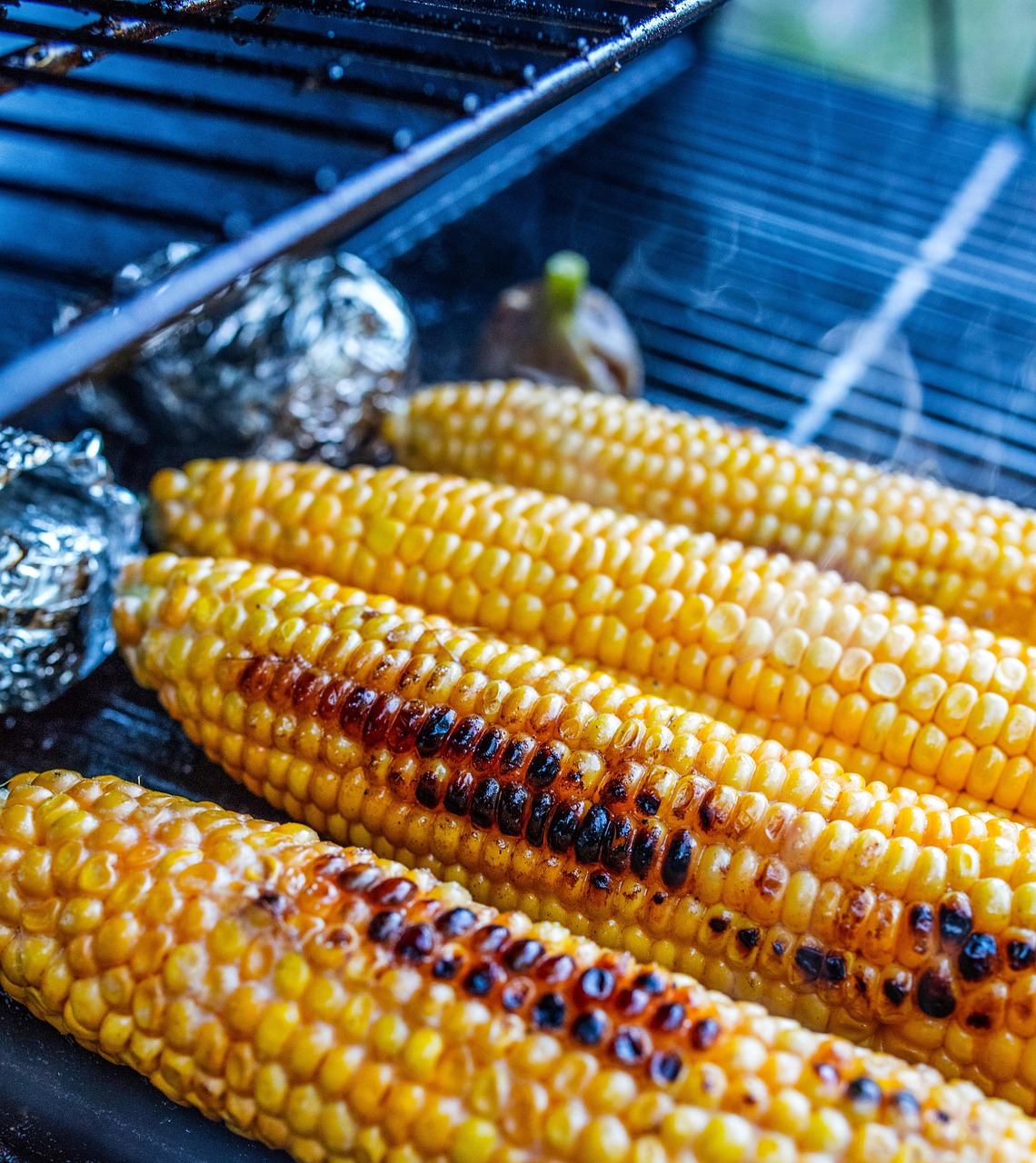
Have you ever ended up with a burnt burger or an unevenly cooked steak from your backyard barbecue? Don’t worry, it’s not just you—grilling takes practice, and understanding the basics is key. Let’s dive into Mastering the Heat: Direct vs Indirect Grilling Explained.
When you gather around a grill with family or friends, the smell and sizzle of cooking food is unbeatable. Grilling is a favorite activity for many, especially during warmer months. But not all grilling is the same. Today, we’re going to explore two basic techniques every grill enthusiast should know: direct and indirect grilling.
What is Direct Grilling?
Direct grilling is what most people picture when they think about grilling. It involves cooking your food directly over the heat source—whether it’s charcoal, gas, or wood. Imagine putting a hamburger patty directly over the flames. This method cooks food quickly because of the high heat and direct exposure to the flame.
The food gets that delicious charred flavor and grill marks that are a tell-tale sign of a good barbecue. Direct grilling works best for thinner cuts of meat, like burgers, steaks, chicken breasts, and vegetables—foods that don’t take long to cook.
What is Indirect Grilling?
Indirect grilling is like playing a strategic game with your grill. Here, the food is not placed directly over the fire. Instead, you heat one part of the grill and place the food in a part with no direct flame underneath it. This method is perfect for cooking larger, thicker foods like whole chickens, turkeys, or roasts, which need to cook slowly to reach the perfect doneness without burning the exterior.
You can think of indirect grilling as turning your grill into an outdoor oven. The heat circulates around the food, cooking it evenly on all sides. This method requires some patience and a bit more time, but the results are juicy and tender meats that are hard to achieve with direct grilling.
Choosing between Direct and Indirect Grilling
The choice between direct and indirect grilling depends on what you’re cooking. Here’s a simple rule:
- Use direct grilling for foods that take less than 25 minutes to cook. These include steaks, chicken breasts, fish fillets, and vegetables.
- Use indirect grilling for foods that require 25 minutes or more, like whole chickens, roasts, or thick large cuts of beef.
Mixing up these methods can lead to food that’s burnt on the outside yet raw inside, or just plain dried out.
Mastering the Heat: Direct vs Indirect Grilling Explained in a Real Scenario
Imagine it’s the Fourth of July, and you’re grilling for friends. You have steaks and a large pork roast. For the steaks, you would fire up the grill and cook them directly over the heat to get them sizzling and cooked fast. But for that pork roast, set it off to the side of the heat and close the grill lid. This way, it cooks through evenly, soaking up smoky flavors over a couple of hours, without charring the outside too much.
Now that we have understood the basic differences between both methods, let’s answer a few common questions:
Frequently Asked Questions
Q: Can I use both grilling methods in one cooking session?
A: Absolutely! For example, you might sear meat directly over the flames to get a nice crust, then move it to a cooler part of the grill to finish cooking through with indirect heat.
Q: Do I need special equipment for indirect grilling?
A: No special equipment is required, but it helps to have a grill with space enough to create zones of direct and indirect heat. A grill thermometer is also handy to maintain consistent temperatures.
Q: How do I control the temperature during indirect grilling?
A: Maintaining a consistent temperature is key. If you’re using a charcoal grill, arrange the coals to one side so one area is hotter. With gas grills, simply turn on burners on one side to high and the other side to low or off. Keep the lid closed as much as possible to keep the heat even.
Conclusion
Mastering the heat with direct and indirect grilling techniques can transform your backyard barbecues. Whether you’re quickly grilling some veggies or taking your time with a large roast, understanding these methods means better results and delicious meals every time. So next time you fire up the grill, think about what you’re cooking, pick the right method, and get grilling!
By tackling one technique at a time and practicing often, you’ll find that mastering the heat through direct and indirect grilling isn’t just useful—it’s also a lot of fun. Happy grilling!