

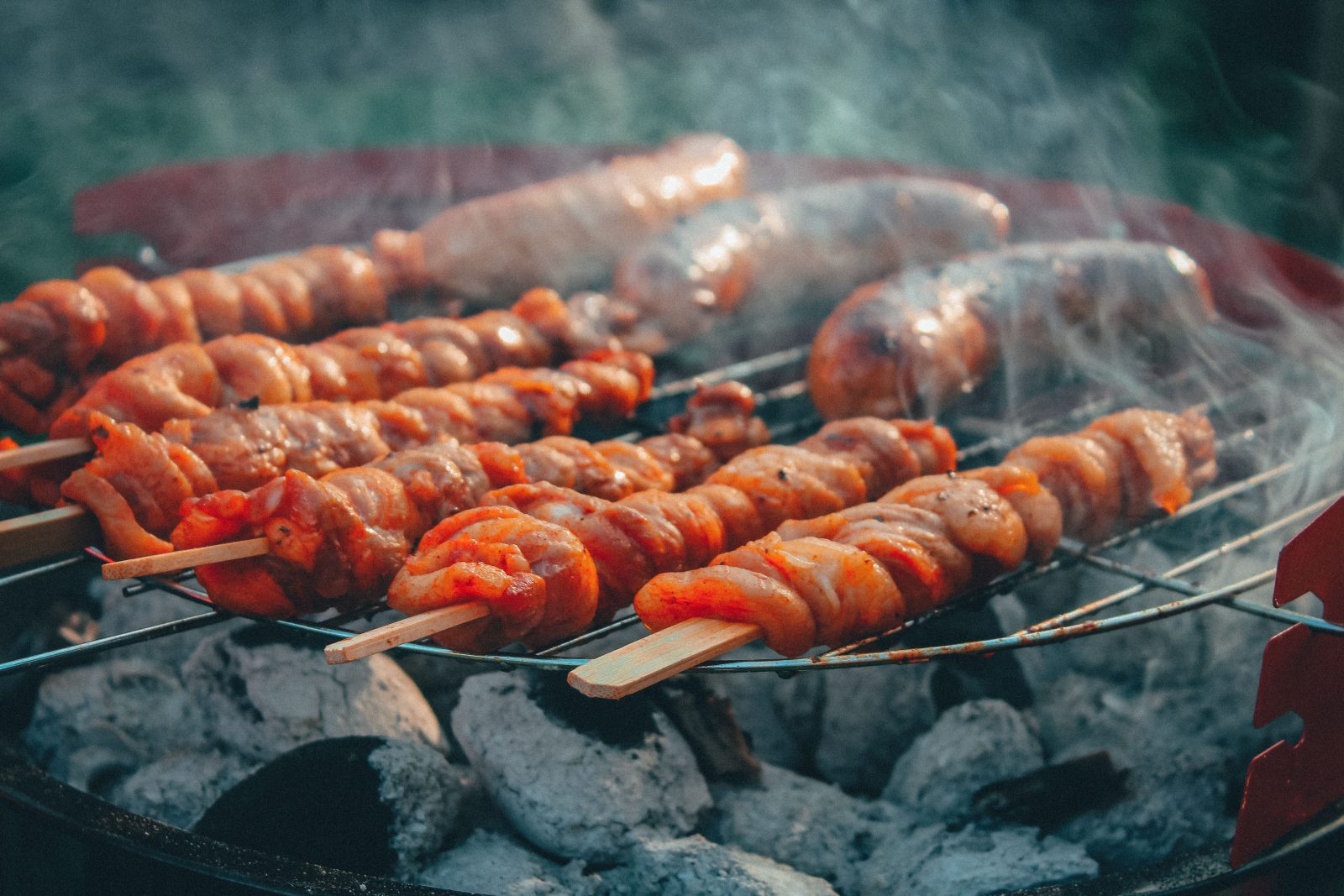
Ever Wondered How to Become a Grill Master?
Most of us have fond memories of barbecues in the backyard or picnics in the park, but not everyone knows how to handle a grill like a pro. You’ve probably tasted that perfectly cooked steak or those veggies with the gorgeous grill marks and wondered, “How do they get it so right?” Grilling is definitely an art, but it also involves a bit of science – namely, the crucial aspects of grilling times and temperatures. In the following paragraphs, we will unlock the secrets to help you “Master Your Grilling Game: Essential Guide to Grilling Times and Temperatures”.
Understanding the Basics of Grilling
Before jumping on how long and at what temperature to cook your food, it’s important to get to know your grill. There are mainly two types of grills: gas and charcoal. Gas grills are convenient and easy to control, whereas charcoal grills require a bit more finesse to manage the heat but give that unbeatable smoky flavor.
The Perfect Temperatures for Every Food
Grilling isn’t just about slapping meat on a fire; it’s about knowing the right temperatures and cooking times for different types of food. This guide can help you avoid overcooked, dry chicken or undercooked, risky-to-eat pork.
-
Steaks: For steaks, the magic happens between 450°F to 500°F. This high temperature is ideal for getting a good sear on the outside while keeping the inside juicy. Cooking time depends on how thick your steak is and how well-done you like it. As a rule thumb, cook 4-5 minutes per side for medium-rare.
-
Chicken: Chicken should be grilled at a medium temperature, around 350°F to 450°F. Because chicken needs to be cooked all the way through, it often takes a bit longer, around 6-8 minutes per side depending on the size and cut of the chicken.
-
Fish: Fish cooks quickly and doesn’t need much heat. Aim for 375°F to 400°F. Delicate fish like salmon or bass will usually cook in 3-4 minutes per side.
-
Vegetables: Veggies are pretty flexible but do well at medium temperatures, similar to chicken. Most vegetables will be ready after about 4-5 minutes on each side, but denser veggies like potatoes might need a bit longer.
Time Is of the Essence
Grilling is about timing almost as much as it is about temperature. Here are a few general tips:
- Preheat Your Grill: This is key to good grilling. A properly heated grill sears foods on contact, keeps the insides moist, and helps prevent sticking.
- Keep It Closed: Keep the lid down as much as possible to keep temperatures steady and cook your food evenly.
- Use a Timer: Don’t rely just on your intuition – keep track of cooking time, especially for meats which need to reach a safe internal temperature to be consumed safely.
Frequently Asked Questions:
Q: How do I know if my grill is at the right temperature?
A: Most grills come with a built-in thermometer, but an oven thermometer can be placed on the grill surface for a more accurate reading.
Q: Can I grill fruits too?
A: Absolutely! Fruits like peaches, pineapples, and even watermelon can be grilled. They usually take about 2-3 minutes per side.
Q: What’s the best way to check if the meat is done?
A: The best way is to use a meat thermometer. Each type of meat has a safe internal temperature: 145°F for pork and beef, 165°F for chicken, and 145°F for fin fish.
Master Your Grilling Game: Conclusion
Grilling is as much about practice and patience as it is about knowledge of times and temperatures. By understanding the basics laid out in this “Master Your Grilling Game: Essential Guide to Grilling Times and Temperatures”, you are well on your way to becoming the master of your barbecue. So next time you fire up that grill, remember: preheat, time, and thermometer are your new best friends. Happy grilling!